
1. INTRODUCTION
While protecting people and property is a common goal of both standard security and fire watch security, their primary objectives differ. Preventing theft, trespassing, vandalism, violence, and illegal entry are typically the main goals of standard security. The specific goals of fire watch security are to identify fire threats, sound alarms, facilitate evacuation, and safeguard a facility when its fire-protection systems are compromised.
Understanding the distinction is especially important when a property needs temporary fire protection rather than general security coverage. Choosing fire watch security Sacramento means looking for personnel specifically prepared to identify fire hazards, conduct scheduled patrols, maintain clear evacuation routes, communicate emergencies, and document their observations. While standard security may provide valuable protection against theft or unauthorized access, specialized fire-watch personnel are focused on addressing the unique risks created when fire protection systems are impaired or higher-risk activities are taking place.
2. MAIN DUTIES OF STANDARD SECURITY
Controlling entrances, verifying identification, keeping an eye on cameras, patrolling the site, enforcing access regulations, responding to disturbances, and creating incident reports are all possible tasks for a typical security guard. The guard’s focus is typically on people, property, and security risks.
A security guard is not always qualified to conduct a formal fire watch, even if they notice smoke or flames. Additional training, protocols, tools, and authorization from the appropriate authorities may be needed for fire watch duties.
3. MAIN DUTIES OF FIRE WATCH SECURITY
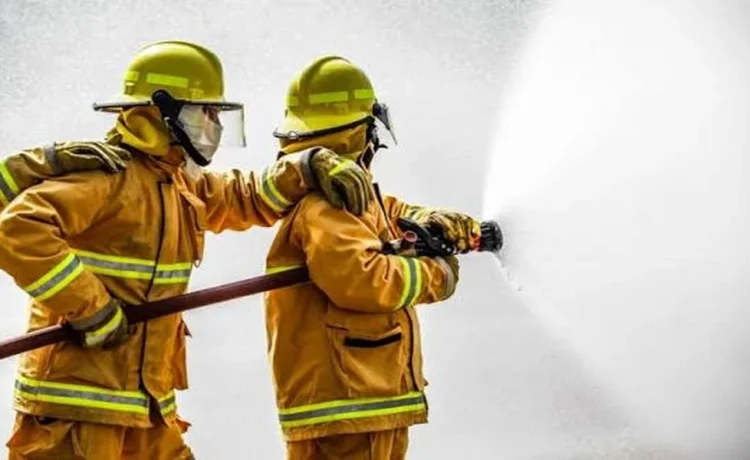
The function of a fire watch guard is more limited but extremely specialized. In order to spot smoke, flames, excessive heat, blocked exits, combustible materials, and risky work practices, the guard methodically patrols designated areas. The guard needs to be ready to sound the alarm, call the fire department, warn residents, and report any dangers right away.
Additionally, fire watch staff may make sure that escape routes are clear, extinguishers are always available, ignition sources are under control, and necessary patrols are documented. Fire watch is defined by official guidelines as an assignment devoted to identifying and addressing fire hazards.
4. TRAINING AND EQUIPMENT
Access control, conflict resolution, surveillance, and basic emergency response are all possible areas of training for standard security officers. Additional training on fire prevention, evacuation, alarm protocols, extinguisher use, hot-work hazards, and building-specific impairment plans is necessary for fire-watch guards.
Radios, air horns or whistles, flashlights, safety gear, floor plans, keys, emergency contact lists, fire extinguishers, and inspection logs are some examples of their equipment. These tools were chosen to facilitate quick communication and ongoing fire detection.
5. ACCOUNTABILITY AND COVERAGE
Guards may be able to handle multiple jobs simultaneously using standard security services. The guard’s primary or exclusive duty is often to keep an eye out for fire during a fire watch. Combining regular security tasks with fire watch might lead to distractions and obscure locations.
In-depth patrol records and adherence to predetermined inspection intervals are also necessary for fire watch. Until the impacted fire-protection system is restored or new orders are given by the relevant authority, the service will continue.
6. CONCLUSION
While fire watch security offers specialized protection against fire hazards, standard security guards against criminal and access-related threats. Although they can cooperate, the two services are not interchangeable. Only after obtaining the necessary training and being officially assigned to fulfilll the necessary procedures may a security guard carry out fire-watch responsibilities.