

The Core Pillars of Comprehensive Home Systems Maintenance
Our homes represent more than just shelter; they are often our most significant financial and emotional investments. Protecting these vital assets requires consistent attention, ensuring every component functions optimally. Neglecting routine care can lead to unforeseen expenses, compromise safety, and ultimately diminish your property’s value. In fact, industry experts often recommend budgeting approximately 1%-3% of your home’s total value annually for maintenance – a small investment that yields substantial returns in longevity and peace of mind.
In this extensive guide, we delve into the core pillars of comprehensive home systems maintenance. We’ll explore essential areas such as optimizing HVAC for year-round comfort, ensuring electrical safety and power reliability (including insights from a Toth Electric home generator guide), and protecting your home’s structure through diligent roofing, plumbing, and pest prevention strategies. Our aim is to equip you with the knowledge to create a sustainable maintenance schedule, understand when professional intervention is necessary, and ultimately, enhance your home’s energy efficiency, safety, and overall value.
Maintaining a home effectively hinges on a proactive approach to its fundamental systems. These core pillars – HVAC, electrical, plumbing, and roofing – are interconnected, and the health of one often impacts the others. A well-maintained home isn’t just about aesthetics; it’s about optimizing energy efficiency, upholding safety standards, and ensuring a comfortable living environment. Regular, strategic maintenance can lead to a significant appreciation in property value, with some estimates suggesting an annual increase of 1% just from consistent care. This foresight not only extends the lifespan of your systems but also mitigates the risk of costly emergency repairs.
We often categorize maintenance tasks into those suitable for a diligent homeowner (DIY) and those best left to certified professionals. While changing an air filter is a straightforward task, inspecting a complex electrical panel or diagnosing a major plumbing issue requires specialized expertise. Understanding this distinction is crucial for both safety and efficacy.
To illustrate the importance and frequency of these tasks, consider the following:
System Primary Benefits Typical Inspection Frequency DIY Tasks Professional Tasks HVAC Energy efficiency, comfort, air quality Bi-annually (Spring/Fall) Filter changes, vent cleaning, thermostat checks Tune-ups, refrigerant checks, duct inspection Electrical Safety, reliability, appliance protection Annually (visual), 3-5 years (pro) GFCI testing, cord inspection, bulb replacement Panel inspection, wiring checks, surge protection Plumbing Water conservation, leak prevention, hygiene Quarterly (visual), Annually (pro) Leak checks, drain cleaning, fixture aerator care Pipe inspection, water heater flush, septic pump Roofing Structural integrity, weather protection, insulation Bi-annually (visual), 3 years (pro) Gutter cleaning, debris removal Shingle repair, flashing inspection, leak detection By adhering to a schedule that combines routine homeowner tasks with periodic professional assessments, you protect your investment and ensure your home remains a safe and efficient haven. For instance, ensuring your heating and air conditioning units are running efficiently can involve regular filter changes, but for optimal performance and longevity, professional tune-ups are indispensable. These specialized services can identify potential issues before they escalate into major breakdowns, saving you money and discomfort in the long run. Many homeowners find immense value in scheduling regular HVAC system checks to prevent unexpected failures and maintain peak efficiency. For comprehensive HVAC care and professional assessments, consider resources like those offering expert iRepair heating air tune-ups.
Optimizing HVAC and Air Quality for Year-Round Comfort
The Heating, Ventilation, and Air Conditioning (HVAC) system is the circulatory system of your home, responsible for maintaining a comfortable indoor climate and ensuring healthy air quality. Optimizing its performance throughout the year is paramount for both comfort and energy efficiency.
Seasonal Strategies for Home Systems Maintenance
Spring AC Preparation: As winter gives way to warmer temperatures, it’s time to prepare your air conditioning unit. This includes cleaning the outdoor condenser coils, ensuring the unit is free of debris, and checking refrigerant levels. A professional tune-up in spring can ensure your AC runs efficiently and effectively during the summer heat.
Fall Furnace Calibration: Before the cold sets in, your furnace needs attention. Inspecting the heat exchanger for cracks, cleaning burners, and checking the ignition system are crucial. Fall is the ideal time for a professional furnace calibration to ensure safe and efficient heating throughout winter.
Filter Replacement Cycles: This is perhaps the most critical and frequent DIY task. HVAC filters should be replaced every 1-3 months, or more often if you have pets, allergies, or live in a dusty environment. Using filters with a MERV (Minimum Efficiency Reporting Value) rating of 8 or higher can significantly improve indoor air quality by trapping more airborne particles.
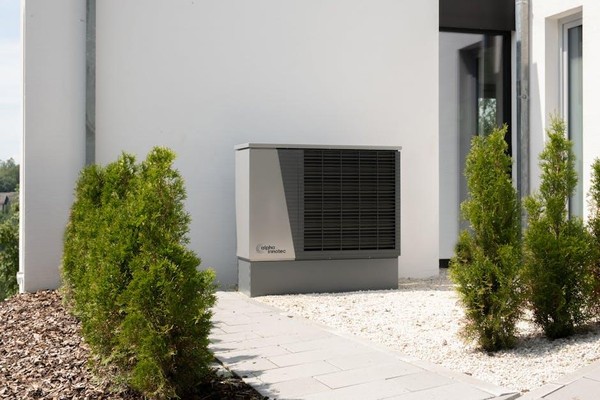
Humidity Control: Maintaining optimal indoor humidity (between 30-50%) is important for comfort and preventing mold growth. Humidifiers in winter and dehumidifiers or proper AC function in summer help regulate this.
Vent Obstruction Removal: Ensure all supply and return vents are clear of furniture, drapes, or other obstructions. Blocked vents restrict airflow, forcing your system to work harder and reducing efficiency.
Detecting and Preventing Common Environmental Issues
Beyond the HVAC unit itself, several other components contribute to your home’s thermal envelope and air quality:
Ice Dam Prevention: In colder climates, ice dams can form on roofs, leading to water backing up under shingles and causing leaks. Clearing gutters before winter and ensuring proper attic ventilation are key preventive measures.
Gutter Clearance: Gutters and downspouts should be cleaned seasonally, especially in fall and spring, to ensure proper water drainage away from your home’s foundation. Clogged gutters can lead to fascia damage, foundation issues, and create pathways for pests.
Attic Ventilation: Adequate attic ventilation is vital for preventing heat buildup in summer and moisture accumulation in winter. Ensure vents are clear and unobstructed.
Insulation Integrity: Inspect your attic and wall insulation for proper coverage and R-value. Gaps or insufficient insulation can lead to significant energy loss. Adding or replacing insulation can dramatically improve energy efficiency.
Weather-stripping Application: Check weather-stripping around windows and doors annually. Worn or damaged weather-stripping allows drafts, increasing heating and cooling costs. Replacing it is a simple yet effective DIY task.
Draft Elimination: Beyond weather-stripping, use caulk to seal cracks and openings around window frames, door frames, and where utility lines enter your home. Eliminating drafts is a powerful way to reduce energy waste.
By diligently performing these seasonal and preventive tasks, you not only extend the life of your HVAC system but also create a healthier, more comfortable, and energy-efficient living space.
Ensuring Electrical Safety and Power Reliability
The electrical system is the lifeblood of your modern home, powering everything from lights and appliances to critical safety devices. Ensuring its safety and reliability is non-negotiable. Faulty wiring, overloaded circuits, or malfunctioning safety devices pose significant risks, including fire and electrocution.
Advanced Technology in Home Systems Maintenance
Smart Energy Monitors: These devices offer homeowners unprecedented insight into their electricity consumption. Systems like Sense and Emporia Vue 3 can be installed in your electrical panel to provide real-time usage tracking. They identify energy hogs, pinpoint standby power drain, and help you understand your energy patterns. Some monitors even offer circuit-level data, allowing you to see exactly how much electricity each appliance or system is using. This granular data empowers you to make informed decisions about energy conservation and can lead to significant savings on utility bills.
Automated Maintenance Alerts: Many smart home devices, including thermostats, smoke detectors, and even some smart plugs, can be integrated into a central system that provides automated alerts. These can remind you when it’s time to change an HVAC filter, test a smoke detector, or even notify you of unusual energy consumption patterns that might indicate a problem.
App-Based Scheduling: Smart home apps allow you to schedule maintenance tasks, receive reminders, and even control certain systems remotely. This digital approach to home maintenance makes it easier to stay on top of regular checks and ensures that critical tasks aren’t overlooked.
Essential Tools and Safety Equipment for Homeowners
While many electrical tasks require a professional, some basic checks and safety measures can be performed by homeowners with the right tools and knowledge:
- Voltage Testers and Multimeters: Essential for safely checking if a circuit is live before working on it. Always confirm power is off at the breaker.
- Insulated Hand Tools: Screwdrivers, pliers, and wire strippers with insulated handles provide an extra layer of protection against electrical shock.
- Safety Goggles: Protect your eyes from debris or unexpected sparks.
- Fire Extinguishers: Keep several multi-purpose (ABC rated) fire extinguishers strategically placed throughout your home, especially near the kitchen, garage, and electrical panels. Know how to use them.
- Proper Ladder Stabilization: For tasks involving heights, ensure your ladder is stable and used correctly.
- Protective Gloves: General work gloves can protect your hands from cuts and scrapes during maintenance tasks.
Any complex electrical work, such as service panel upgrades, new wiring, or generator installations, should always be handled by a licensed electrician. For detailed information on home generator systems and their maintenance, consulting a specialized resource like a Toth Electric home generator guide can provide valuable insights into ensuring your home has reliable backup power.
Protecting the Structure: Roofing, Plumbing, and Pest Prevention
Beyond the internal systems, the physical integrity of your home’s structure is paramount. The roof, plumbing, and a robust defense against pests are critical components that protect your investment from the elements and unwelcome intruders.
Best Practices for Water and Waste Systems
Water is both essential and potentially destructive. Proper maintenance of your plumbing and waste systems is crucial to prevent leaks, water damage, and ensure sanitation.
- Water Heater Sediment Flushing: Annually, drain a few gallons from the bottom of your water heater tank to flush out sediment buildup. This improves efficiency and extends the unit’s lifespan.
- Anode Rod Inspection: The anode rod inside your water heater corrodes to protect the tank. Inspecting and replacing it every 3-5 years can significantly prolong the life of your water heater.
- Septic Tank Pumping: For homes with septic systems, regular pumping is essential. Depending on household size and usage, septic tanks typically need pumping every 3-7 years. Using a garbage disposal can increase this frequency.
- Sump Pump Testing: Test your sump pump seasonally, especially before heavy rain seasons, by pouring water into the pit to ensure it activates and drains properly.
- Sewer Line Clearing: Be mindful of what goes down your drains. Professional sewer line inspections and cleanings may be necessary, especially for older homes or if you experience recurring clogs.
- Pressure-Reducing Valve (PRV) Adjustments: If your home has a PRV, ensure it’s set to the optimal pressure (typically 45-60 psi). High water pressure can damage fixtures and appliances.
The U.S. Environmental Protection Agency’s WaterSense program highlights that even small leaks can lead to significant water waste. A family of four, for example, might have a serious leak if their water use exceeds 12,000 gallons per month during the winter. Regularly checking for leaks in toilets (using a dye tablet), faucets, and supply lines can save thousands of gallons of water and hundreds of dollars annually. Choosing WaterSense labeled fixtures can further reduce water consumption without sacrificing performance.
Integrated Pest Management and Exterior Care
Pests aren’t just an annoyance; they can cause significant structural damage and health hazards. An integrated approach to pest management, combined with diligent exterior care, forms a strong defensive line for your home.
- Termite Bond Importance: In many regions, a termite bond or regular professional termite inspections are highly recommended to protect against these destructive insects. Early detection is key.
- Wood Rot Prevention: Inspect all exterior wood components (siding, trim, deck, window frames) for signs of moisture damage or rot. Address any issues promptly by repairing or replacing affected wood and ensuring proper sealing and painting.
- Sealing Entry Points: Conduct a thorough inspection of your home’s exterior for any cracks, gaps, or openings that pests could use to enter. Seal these with caulk, steel wool, or mesh. This includes around utility penetrations, foundations, and eaves.
- Foundation Crack Monitoring: Regularly inspect your foundation for cracks. While small hairline cracks are common, larger or expanding cracks can indicate structural issues and provide entry points for water and pests.
- Garage Door Lubrication: Lubricate moving parts of your garage door (rollers, hinges, tracks) annually to ensure smooth operation and prevent wear. Test the auto-reverse safety feature quarterly.
- Driveway Resurfacing: Inspect your driveway for cracks and potholes. Repairing these prevents water from seeping underneath and causing further damage, especially in freezing climates.
- Deck Sealing: Clean and reseal your wooden deck every 1-3 years to protect it from moisture, UV damage, and rot.
By proactively managing these aspects, you create a resilient and secure home environment. For specialized assistance in safeguarding your home against unwanted animal intruders, professional services focused on humane removal and prevention can be invaluable. For comprehensive strategies and expert support in managing wildlife and pest issues, consider consulting experts in Wildlife and pest system maintenance.
Creating a Sustainable Maintenance Schedule
The key to effective home systems maintenance isn’t just knowing what to do, but when to do it. A sustainable maintenance schedule transforms overwhelming tasks into manageable routines, ensuring consistent care for your most valuable asset.
Monthly Task Prioritization: Certain tasks are essential for monthly attention. These include checking HVAC filters, testing smoke and carbon monoxide alarms, inspecting plumbing for visible leaks, and ensuring garbage disposals are clean and functioning. These quick checks prevent small issues from escalating.
Quarterly Safety Checks: Every three months, expand your focus to include testing GFCI (Ground Fault Circuit Interrupter) outlets, checking fire extinguishers for proper pressure, and inspecting garage door safety mechanisms. These tasks are crucial for mitigating immediate risks.
Annual Professional Tune-ups: While many tasks can be DIY, annual professional services for key systems are non-negotiable. This includes HVAC tune-ups, comprehensive plumbing inspections, and electrical system evaluations. These professionals can identify subtle issues, perform complex diagnostics, and ensure systems operate at peak efficiency and safety. For instance, a professional HVAC technician can clean coils, check refrigerant levels, and calibrate your system, tasks beyond the scope of most homeowners.
Maintenance Record Keeping: Keep a detailed log of all maintenance performed, both DIY and professional. This includes dates, tasks completed, parts replaced, and the names of service providers. Good records are invaluable for:
- Warranty Compliance: Many warranties require proof of regular maintenance.
- Troubleshooting: Historical data can help diagnose recurring issues.
- Home Value: Prospective buyers appreciate a well-documented maintenance history.
- Budgeting: Tracking expenses helps you plan for future maintenance costs.
Warranty Compliance: Understand the warranty terms for your major appliances and systems. Many require professional installation and periodic maintenance to remain valid. Neglecting these terms could void your warranty, leaving you responsible for costly repairs.
Insurance Premium Considerations: Some home insurance providers offer discounts for homes with certain safety features (e.g., monitored security systems, hard-wired smoke detectors) or for homeowners who demonstrate a commitment to preventive maintenance. Regular upkeep also reduces the likelihood of claims related to neglected issues, potentially keeping your premiums lower in the long run.
High-Value Service Coordination: For major systems like HVAC, generators, or complex plumbing, consider signing up for service contracts with trusted local professionals. These contracts often include annual inspections, priority service, and sometimes discounted repairs, providing peace of mind and simplifying your maintenance efforts.
By integrating these strategies, you create a robust, sustainable maintenance schedule that protects your home, enhances its value, and ensures a safe and comfortable environment for years to come.
Frequently Asked Questions about Home Systems Maintenance
How much should be budgeted for annual home systems maintenance?
Homeowners should typically plan to invest between 1% and 3% of the home’s total value annually to ensure all systems remain in peak operating condition and to preserve the property’s market value. For example, a home valued at $300,000 would require an annual maintenance budget of $3,000 to $9,000. This budget covers everything from routine supplies like air filters to professional services like HVAC tune-ups and roof inspections. This proactive financial planning helps avoid unexpected large expenses and maintains the home’s overall health.
What are the signs that a home system requires professional attention?
Indicators for professional service include unusual noises from HVAC units (e.g., grinding, hissing), flickering lights, frequent circuit breaker trips, slow drainage or persistent clogs, visible changes in roofing materials (missing shingles, excessive granule loss), unexplained increases in utility bills, or the smell of gas. While some issues might seem minor, they can often be symptoms of larger, underlying problems that require expert diagnosis and repair. Professional intervention ensures tasks are completed to code, maintains manufacturer warranties, and prioritizes safety.
How does regular maintenance impact home energy efficiency?
Routine care, such as cleaning HVAC coils, replacing air filters regularly, and sealing drafts, ensures systems do not overwork and consume excessive energy. For instance, a clogged HVAC filter can increase energy consumption by 5-15%. Similarly, addressing plumbing leaks, insulating water heaters, and using WaterSense labeled fixtures can significantly reduce water and heating costs. WaterSense labeled homes, for example, can save over 50,000 gallons of water and more than $700 in water and energy costs per year. By maintaining peak efficiency, you not only reduce your environmental footprint but also enjoy substantial savings on your monthly utility bills.
Conclusion
The journey of homeownership is a rewarding one, but it comes with the inherent responsibility of stewardship. Embracing a proactive approach to home systems maintenance is not merely a series of chores; it’s a strategic investment in the long-term health, safety, and value of your property. From the intricate workings of your electrical grid to the essential functions of your HVAC system and the structural integrity provided by your roof and plumbing, every component plays a vital role.
By understanding the core pillars of maintenance, implementing seasonal strategies, leveraging advanced technology, and knowing when to call upon professional expertise, you empower yourself to prevent costly breakdowns and extend the lifespan of your home’s systems. This diligent care translates into improved energy efficiency, enhanced safety for your loved ones, and a sustained increase in your property’s market value. Strategic maintenance planning, coupled with valuable professional partnerships, ensures your home remains a comfortable, safe, and valuable asset for generations to come.