
The Core Pillars of Residential Exterior Maintenance
Your home is likely one of your most significant investments. We all want it to look its best and last for years to come. But have you considered how much its exterior truly contributes to its value and longevity? The outside of your house isn’t just about curb appeal; it’s your property’s first line of defense against the elements, pests, and general wear and tear.
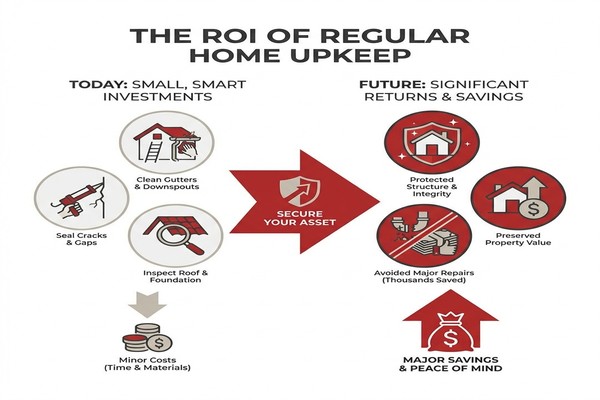
Neglecting regular residential exterior maintenance can lead to hidden problems. Small issues can quickly escalate into costly repairs, compromising your home’s structural integrity and diminishing its overall value. However, a proactive approach helps you preserve your asset, enhance its beauty, and ensure a safer, more comfortable living space for years to come.
In this comprehensive guide, we will walk you through the essential steps to keep your home’s exterior in top condition. We’ll explore everything from seasonal tasks and material-specific care to identifying common issues and understanding when to call in the professionals. Join us as we uncover how smart exterior maintenance protects your home investment, from the very foundation to the roof.
Effective residential exterior maintenance isn’t a single action but a continuous process built upon three core pillars: preventive, corrective, and ongoing care. Understanding these distinctions is crucial to developing a comprehensive strategy to safeguard your home.
Preventive maintenance involves taking steps to stop problems before they even start. This proactive approach is the most cost-effective and least disruptive. Think of it like a regular health check-up for your home. It includes tasks such as sealing cracks, cleaning gutters, and applying protective coatings. By addressing potential vulnerabilities early, we can prevent minor issues from escalating into major, expensive repairs. For instance, ensuring proper moisture barriers around your home can significantly reduce the risk of water infiltration, which is a leading cause of structural damage and mold growth.
Corrective maintenance, on the other hand, is used when a problem has already occurred. This involves repairing damage that has already manifested, such as fixing a leaky roof, replacing rotted siding, or patching a cracked foundation. While sometimes unavoidable, a robust preventive maintenance schedule aims to minimize the need for corrective actions. When corrective maintenance is necessary, prompt attention is key. Delaying repairs can lead to further deterioration, higher costs, and potential safety hazards.
Ongoing care encompasses the routine tasks that keep your home looking its best and functioning efficiently day to day. This includes regular cleaning, landscaping upkeep, and general inspections. Services like professional pressure washing can dramatically improve your home’s appearance and remove harmful buildup, such as mildew and grime, protecting surfaces and extending their lifespan. This consistent attention ensures your home maintains its curb appeal and energy efficiency and meets safety standards, contributing significantly to its overall longevity and value.
A balanced approach combining these three pillars allows us to maintain our homes effectively, reducing long-term costs and preserving our investment.
Proactive Roof and Gutter Management for Residential Exterior Maintenance

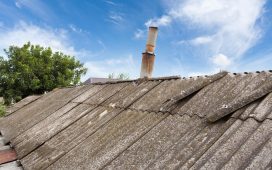
The roof is your home’s primary shield against the elements, making its maintenance paramount. A well-maintained roof not only protects the interior from water damage but also contributes significantly to energy efficiency and structural integrity. Regular inspections of your roofing systems are essential to identify potential issues, such as missing, cracked, or curling shingles, which can compromise the roof’s protective capabilities. We recommend inspecting your roof at least twice a year, typically in the spring and fall, and especially after severe weather events. For homeowners interested in prolonging their roof’s life, understanding the nuances of proper care is invaluable, as outlined in guides such as “Roof Maintenance Tips to Make a Roof Last Longer.”
Beyond the roof itself, gutters and downspouts play a critical role in directing rainwater away from your home’s foundation and siding. Clogged gutters, often filled with leaves, twigs, and other debris, can cause water to overflow, leading to fascia damage, foundation issues, and even basement flooding. Regular gutter cleaning, ideally in late spring and late fall, is a simple yet highly effective preventive measure. For those in areas prone to heavy rainfall or with many trees, solutions such as new gutter installation, including options in the Hill Country, can be a wise investment to ensure efficient water diversion.
When inspecting your roof, look for signs of wear and tear, such as granular loss on shingles, moss or algae growth, and any visible damage around flashing or vents. Promptly addressing minor repairs, such as replacing a few damaged shingles, can prevent the need for more extensive, costly interventions down the line. If you suspect a leak or notice significant damage, contacting professional roofing services is always advisable. In cases of sudden, severe damage, knowing where to find emergency roofers near you can be crucial for a rapid response and mitigating further harm. Proactive roof and gutter management is a cornerstone of comprehensive residential exterior maintenance, safeguarding your home from the top down.
Siding Care and Moisture Protection
Your home’s siding is not just for aesthetics; it’s a vital protective layer that shields your structure from moisture, pests, and harsh weather. Different siding materials require specific care to ensure their longevity and effectiveness.
For popular options like vinyl siding, including Royal Vinyl Siding and Exterior Portfolio Siding, regular cleaning is key. These materials are generally low-maintenance, but dirt, grime, and mildew can accumulate, diminishing their appearance and potentially fostering mold growth. A gentle wash with a garden hose, a soft-bristle brush, and a mild detergent is usually sufficient. Avoid high-pressure washing, as it can force water behind the panels. For more advanced composite options, such as Celect Cellular Composite Siding, manufacturers often provide specific cleaning guidelines to maintain their premium finish.
Brick masonry, while incredibly durable, also benefits from attention to detail. Inspecting brick, stone, and concrete for cracks, chips, and deterioration is crucial. Repointing, which involves repairing mortar joints, is essential to protect masonry from moisture infiltration. Weep holes in brick veneers should always be kept clear to allow any trapped moisture to escape. Stucco homes require careful inspection for cracks, especially around windows and doors. Small hairline cracks are common, but larger cracks should be sealed promptly to prevent water from penetrating the wall system. Specialized services, such as Kerrville Siding contractors, can offer expert advice and repair for various siding types, including stucco.
A common threat to wood components of your home’s exterior is wood rot. Paint can often mask this issue, so it’s important to periodically test wooden trim, window frames, and fascia boards with a screwdriver. If the wood feels soft or spongy, you may have a wood rot problem that needs immediate attention. Treating minor rot often involves drying the wood and applying a wood preservative, but extensive damage may require replacement. Beyond the siding itself, maintaining your home’s thermal envelope involves regularly inspecting and replacing exterior caulking around windows, doors, and utility penetrations. These seals are critical moisture barriers, preventing water and air infiltration that can lead to energy loss and structural damage.
Foundation and Hardscape Integrity
The foundation is, quite literally, the bedrock of your home, and its integrity is paramount to the entire structure’s stability. Issues originating in the foundation can quickly spread throughout the rest of the house, leading to costly, extensive repairs. One of the most significant threats to a foundation is inconsistent soil moisture. Expansive clay soils, common in many regions, can swell when wet and shrink when dry, exerting immense pressure on foundation walls or causing differential settlement. Proper drainage grading around your home is essential to ensure rainwater flows away from the foundation, preventing water accumulation that can cause soil moisture fluctuations.
Regular inspections of your foundation should look for cracks, bowing walls, or signs of settlement. While minor hairline cracks might be cosmetic, larger or spreading cracks can indicate structural movement that requires professional assessment. Understanding the costs of foundation crack repair can help homeowners prepare for potential expenses. For comprehensive evaluations and solutions, consulting a qualified residential foundation specialist is always recommended. These experts can diagnose the root cause of foundation problems and recommend appropriate interventions, from minor repairs to more significant house leveling services.
Beyond the foundation, maintaining hardscape features like concrete driveways, patios, and walkways is also vital. Cracks in concrete not only detract from curb appeal but can also allow water to penetrate beneath the slab, leading to erosion, further cracking, or slab heaving. Addressing these issues with timely concrete driveway repair can prevent them from worsening. For smaller cracks and surface imperfections, patching concrete floors with appropriate materials can restore both function and appearance. Regular cleaning and sealing of concrete surfaces can also extend their lifespan and protect them from weather-related damage. Keeping these elements in good condition ensures both the safety and aesthetic appeal of your home’s exterior.
Strategic Planning for Long-Term Home Value
Effective residential exterior maintenance isn’t just about reacting to problems; it’s about strategic planning and proactive asset management. A well-organized approach ensures that your home remains a valuable and secure investment for years to come. One of the best ways to achieve this is by implementing a comprehensive maintenance schedule. Resources like a monthly exterior home maintenance checklist can provide a structured framework, helping homeowners keep track of tasks throughout the year.
Budgeting for maintenance is another critical component of strategic planning. Just as we budget for mortgage payments and utilities, allocating funds for routine upkeep and potential repairs is essential. This prevents unexpected expenses from becoming financial burdens and allows for timely interventions that preserve your home’s value. The National Association of Home Builders (NAHB) often emphasizes the importance of routine home maintenance in its consumer resources, highlighting its role in protecting your investment.
Furthermore, proactive maintenance plays a significant role in insurance compliance and warranty protection. Many homeowners’ insurance policies require certain maintenance standards to be met in order to cover damages. Neglecting basic upkeep, such as clearing gutters or repairing a leaky roof, could lead to denied claims. Similarly, manufacturers’ warranties for roofing, siding, or other exterior components often stipulate that regular maintenance is required to remain valid. By adhering to these guidelines, we protect ourselves from unforeseen costs and ensure our home’s critical systems are covered.
Strategic planning for exterior maintenance is an investment in your home’s future. It enhances curb appeal, extends the lifespan of components, and safeguards against major structural issues. This foresight not only saves money in the long run but also contributes to a safer, more comfortable living environment. If you need assistance with planning or executing complex exterior maintenance tasks, don’t hesitate to reach out. You can call us at (830) 257-7663 to discuss your needs and how we can help protect your valuable asset.
Seasonal Residential Exterior Maintenance Cycles
The changing seasons bring unique challenges and opportunities for residential exterior maintenance. Adopting a seasonal approach ensures your home is prepared for whatever the weather brings, preventing damage and maximizing efficiency.
Spring is the ideal time for thorough inspections after the winter thaw. We recommend checking your roof for loose or damaged shingles, inspecting the siding for cracks or peeling paint, and ensuring the gutters are clear of debris. This is also a good time to assess your foundation for new cracks and to check for proper drainage around the perimeter. Expert tips from Mr. Handyman often highlight spring as a crucial period for these comprehensive checks.
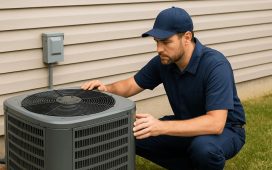
Summer is excellent for exterior cleaning and repairs. With warmer, drier weather, it’s perfect for washing siding, cleaning windows, and tackling painting projects. This is also when we should focus on maintaining decks and patios, sealing them if necessary. Ensure your HVAC system’s exterior unit is clear of debris to maintain optimal performance; the significance of HVAC systems for overall home comfort and efficiency cannot be overstated.
As fall approaches, preparation for winter becomes the priority. Clearing gutters of leaves is paramount to prevent clogs and ice dams. Inspect and seal any gaps or cracks in your home’s exterior to prevent drafts and pest entry. This is also a good time to trim back tree branches that are close to your roof or power lines, reducing the risk of storm damage. Should your home experience storm damage, understanding restoration services can be invaluable. For homes with advanced siding, such as Celect Cellular Composite Siding, ensure any manufacturer-recommended fall maintenance is performed to protect its integrity through colder months.
Winter maintenance primarily focuses on prevention and monitoring. Keep an eye on your roof for heavy snow loads and ice dams, which can cause significant damage. Ensure pathways and driveways are clear of ice to prevent slips and falls. While major exterior work is usually on hold, winter is an excellent time for indoor planning and scheduling any larger projects for the spring. By following these seasonal cycles, we can systematically address our home’s exterior needs, ensuring its resilience and beauty year-round.
Landscaping and Perimeter Safety
Landscaping plays a far greater role in residential exterior maintenance than just aesthetics; it’s a critical component of your home’s defense system. A well-maintained yard not only enhances curb appeal but also actively protects your home from nature’s wear and tear and potential damage.
Strategic tree trimming is essential. Branches overhanging your roof can scrape shingles, drop debris that clogs gutters, and provide easy access for pests. During storms, heavy branches can break and cause significant damage to your home. We recommend keeping trees and shrubs trimmed at least a few feet away from your house. For those with extensive landscaping needs, professional landscaping services, such as those offered by Hill Country Pristine LLC, can ensure your yard contributes positively to your home’s protection.
Beyond trees, managing vegetation around your foundation is crucial. Roots from large plants can sometimes compromise foundation integrity, and dense foliage against the house can trap moisture, leading to siding damage or pest infestations. Consider root barriers for aggressive tree species and maintain a clear perimeter around your home.
Pest exclusion is another vital aspect where landscaping and exterior maintenance intersect. Overgrown bushes, woodpiles, and debris can provide harborage for rodents, insects, and other unwanted guests. Keeping these areas tidy and sealing any exterior entry points, such as gaps around pipes or vents, can deter pests. Even maintaining your residential garage door maintenance can contribute to keeping pests out, as gaps or damaged seals can be an easy entry point.
For homes with decks, regular care is necessary. Deck sealing and staining protect the wood from moisture, UV damage, and rot. Materials like Zuri Premium Decking, made from composite PVC, offer enhanced moisture and UV resistance, reducing the need for maintenance. Finally, for homes with fireplaces, safety extends to the exterior as well. Proper chimney maintenance, including annual inspections by a CSIA-certified chimney sweep, is crucial for preventing hazards such as chimney fires and for ensuring your home’s exterior components are safe and functional.
Professional vs. DIY Maintenance Decisions
When it comes to residential exterior maintenance, homeowners often face a choice: tackle the task themselves or hire a professional. Making the right decision involves a careful skill assessment, consideration of safety risks, and an understanding of the specialized tools and expertise required.
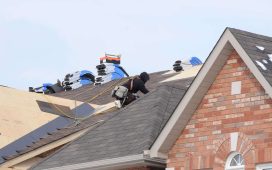
Many routine tasks, such as cleaning gutters (if easily accessible), washing windows, or performing basic yard work, can be confidently handled by most homeowners. These DIY efforts can save money and provide a sense of accomplishment. However, for more complex or hazardous tasks, professional assistance is often the wiser choice. For instance, working on a roof, especially a steep or high one, carries significant safety risks. While a homeowner might be able to inspect their roof from the ground with binoculars, actual repairs or extensive cleaning are best left to experienced roofing contractors, such as those in Fredericksburg, TX.
Specialized tools and specific knowledge are also key differentiators. Repairing cracks in masonry, diagnosing foundation issues, or addressing extensive wood rot often requires tools and techniques that the average homeowner doesn’t possess. Attempting these tasks without the proper equipment or expertise can lead to further damage, increased costs, or even personal injury. For a wide range of needs, local services like Kerrville home repair services or general home repair companies can provide skilled assistance for tasks beyond typical DIY capabilities.
Performing a cost-benefit analysis can help guide your decision. While hiring a professional incurs an upfront cost, it can prevent costly mistakes, ensure the job is done correctly and efficiently, and often comes with warranties for the work performed. For critical structural elements, such as foundation repair services, the peace of mind and long-term security offered by professionals are invaluable. The goal is to protect your home investment. We encourage homeowners to honestly assess their capabilities and consider when an expert consultation is the best course of action to ensure their home’s safety, longevity, and value.