

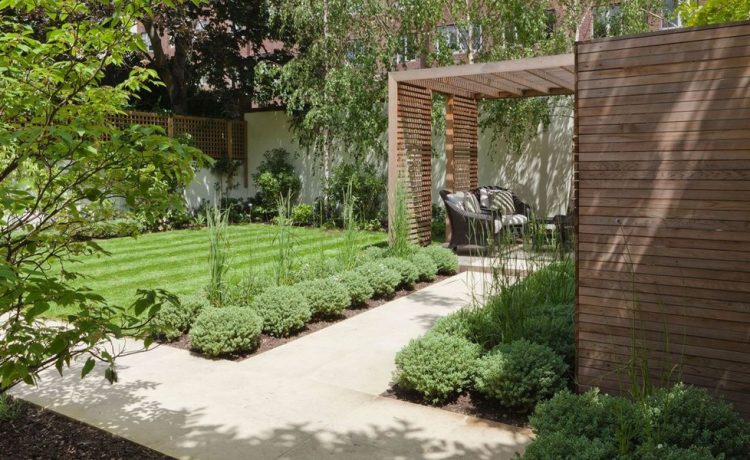
Most garden makeovers start with good intentions. New paving. Fresh turf. A seating area that actually gets used. Then the fence gets mentioned, usually late in the day, as if it is just the frame around the picture. That is where the expensive mistake creeps in. I see it across York week after week. Homeowners search for fencing companies near me after they have already spent the bulk of their budget, then realise the boundary work needs doing properly, not quickly. If you want a straight answer from the trade side, start with York Fencing and then plan the fence before you plan the fancy stuff.
I have worked as a fencing contractor for decades. I have installed miles of panels, closeboard, hit and miss, and gate sets. I have also repaired plenty of fences that failed early, not because the materials were terrible, but because the job was treated as an afterthought in a wider landscaping project.
The costly mistake is simple.
Homeowners build the garden makeover up to the fence line, then ask for a fence to be squeezed into whatever space and ground conditions are left.
That single decision can shorten the life of a new fence by years.
Why the fence should be planned first, not last
One thing I see often on local jobs is a lovely new patio set right up to the boundary, with no allowance for posts, drainage, or levels. The homeowner then wants fence installation done without disturbing the new paving.
That sounds reasonable until you start digging. A proper post hole needs space. You need to get a spade in. You need to bar down and clear the spoil. You need to set the post plumb and brace it while the concrete cures.
If the patio is tight to the boundary, you either break the paving or you compromise the fence. Most rushed installers will compromise. That is when posts go shallow, concrete gets skimped, and the fence starts leaning after the first wet winter.
If you plan the fence first, you can set levels, allow for post positions, and keep access for proper digging. The rest of the garden then fits around a boundary that will last.
The real reason fences fail after a makeover
Homeowners often blame storms. They will say the wind took it out. In reality, the wind just found the weak point.
The weak point is usually below ground.
In York, a lot of gardens sit on clay. Clay holds water in winter and turns heavy. Then it dries out in summer and shrinks. That movement works on fence posts like a slow lever. If the posts are shallow, the ground wins.
On most domestic runs, I am looking at around 600mm to 750mm post depth as a baseline. In exposed spots, or where the ground is soft, you often need more. If someone has poured a patio right up to the line and you cannot dig properly, that depth becomes hard to achieve. So the fence gets set at 450mm, maybe less, and it looks fine until the ground has a full season to move.
The failure is not sudden. It starts with a small wobble. Then a lean. Then panels start popping at the fixings.
Levels and falls, the boring part that saves money
Garden makeovers change levels. That is normal. New patios need a fall for drainage. Turf needs a finished height. Borders get built up.
The mistake happens when those new levels ignore the fence line.
If the garden is raised against the boundary, the bottom of the panels ends up buried or sitting in wet soil. Timber hates that. Even pressure treated boards will go soft faster when they are constantly damp. If the garden is lowered, you end up with gaps under the fence, and pets find them before you do.
This is where gravel boards matter. Concrete gravel boards or treated timber gravel boards keep panels off the soil. They also allow you to manage changes in level without burying panels. But you have to plan them in, not bolt them on at the end.
Good fencing services start with levels, not panels.
The trap of choosing fencing by looks alone
Another common pattern is that the garden designer picks a fence style because it looks good on a mood board. Horizontal slats. Composite boards. A painted finish.
Design matters. I like a smart finish as much as anyone. But the style has to suit the site.
Solid panels catch wind. Slatted styles let air through, which reduces pressure. Closeboard is strong, but it needs decent posts and rails. Waney lap is cheaper, but it flexes and rattles in gusty gardens.
Many homeowners type fencing near me after they have bought panels online, then realise the posts they ordered are not long enough for proper depth, or the rails are too light for the span.
A good installer will match the design to the exposure, soil, and lifespan you actually want.
Composite fencing cost and the budget squeeze
Composite is popular right now, and I understand why. It stays neat. It does not need painting. It does not rot the way timber does.
The problem is not composite itself. The problem is timing.
Homeowners leave the fence until the end of the makeover, then realise the composite fencing cost is higher than they expected. So they cut corners elsewhere. They might keep old posts. They might use shallow concrete. They might reuse a wonky line because moving it affects the paving they just laid.
Composite boards on a weak frame still fail. They might not rot, but the structure moves and the line looks rough. Composite needs a solid skeleton, often concrete posts or properly treated timber posts, set deep and straight.
If you want composite, plan for it from the start. Build the rest of the garden around it, not the other way round.
The post line, the string line, and why straight fences are not luck
A straight fence is not a happy accident. It comes from setting out properly.
On a good job, I will run a tight string line, mark post centres, and check levels. I will look at where gates will sit and how the ground falls. I will also look at what is hidden, like old concrete pads or rubble that will slow digging.
When a fence is an afterthought, set out becomes rushed. Posts get placed where they can be placed, not where they should be placed. Spacing becomes uneven. Panels get forced. Fixings take strain.
This is when homeowners end up searching fencers near me for a fix within a year, because the line is already drifting.
York soil and the difference between a fence that moves and a fence that holds
York clay has its own habits. In winter it turns to sticky paste. In summer it can crack and pull away from posts. You can see it in older gardens where fence lines have a gentle wave.
Deep posts help. So does decent concrete haunching around the post. I am not talking about a tiny collar at the top. I mean enough concrete to resist rocking, with a bit of shape to shed water away from the post.
If the garden makeover involves new drainage, that also matters. A patio that sends water toward the fence line will keep the soil wet. Wet clay stays soft. Soft clay lets posts move.
This is why planning matters. If the fence is first, you can make sure new falls and drains do not punish the boundary.
Timber treatment differences homeowners only notice too late
Timber is not all the same. Some panels are pressure treated. Some are dip treated. Some posts are branded and graded. Others are cheap softwood with a light tint and a short life.
When a fence is left until last, homeowners often buy what is available quickly. They choose on price and delivery date. That is understandable, but it has consequences.
Dip treated timber can look fine, but it will not last like pressure treated timber in damp ground. Post bases are the weak point. If the post goes, the whole bay suffers. You can replace a panel in an afternoon. Replacing posts is heavier work.
If you want longevity, you choose materials with the ground in mind, not the Instagram photo.
Seasonal movement and why spring installs can still fail
People think spring is the safe season for fencing. The weather looks better. The days are longer. The garden is drying out.
But clay soil shifts in spring. It starts to dry and shrink after a wet winter. If posts are set shallow, they can loosen as the clay pulls back. Then, when autumn rains return, the clay swells and pushes. That push can nudge posts out of plumb.
A properly installed fence allows for these cycles. It sits deep enough to resist the movement. It uses rails and fixings that can handle small shifts without snapping.
This is why rushed fence installation near me jobs done on tight makeover schedules can disappoint. Timing alone does not save you. The basics do.
The expensive mistake with garden lighting and fence lines
Garden makeovers often include lighting. Wall lights, spike lights, feature lighting along borders.
I have lost count of the number of times I have been asked to install posts exactly where cables run, because the cable was laid without thinking about the fence.
Then you have a choice. You dig and risk the cable, or you move the post and ruin the spacing. Some installers avoid the cable and place posts where they can, which throws the whole run.
If you plan fencing first, you can run cables in safe zones, sleeves, or deeper routes that do not clash with post holes.
That is not a big job. It just needs the right order of work.
Why gates get forgotten until they start sticking
A garden makeover often includes a new gate, but it gets treated as an accessory. Gates are heavy compared to panels. They need solid hanging posts. They need decent hinges. They need space to swing without catching new paving.
If you hang a gate on a post that was sized for a light panel bay, you will get movement. That movement shows up as a dropped latch, a scrape on the ground, or a gate that does not close in winter when the ground is soft.
This is when homeowners search fencing contractor near me and ask for an adjustment. The adjustment often turns into a full rebuild of the gate bay.
Plan the gate bay early. It saves money later.
The neighbour factor that turns a simple job messy
Boundaries involve neighbours. During makeovers, people often push right up to the line without speaking to the other side. Then the fence becomes a point of tension.
Sometimes the fence is shared. Sometimes it is clearly one side’s responsibility. Sometimes the boundary is not as clear as people think.
A rushed, end of project fence job can trigger disputes. A post goes on the wrong side. A panel faces the wrong way. A line shifts by a few inches.
If you plan fencing early, you have time to check the boundary, agree access, and avoid last minute headaches.
What to do if your makeover is already underway
If you are mid makeover and you have left the fence until last, you are not doomed. You just need to slow down and make smart choices.
First, accept that some disturbance might be necessary. A fence that lasts is worth lifting a few slabs and relaying them properly. I would rather do that than install shallow posts and come back next year.
Second, get a proper assessment of ground conditions. Is it clay. Is it made up ground. Is there rubble. Are there old footings.
Third, decide whether you are repairing or replacing. A common trap is to bolt new panels onto old, tired posts because it feels cheaper. It usually is not.
If you are unsure, the practical route is to look at the real repair options on fence repairs in York and then decide whether the structure you have can genuinely take new panels without future wobble.
Repair versus replace, the honest trade view
Repairs can work when the structure is sound. One damaged bay. A single post that has started to rock. A gate hinge that needs tightening.
Repairs waste money when the issues are structural and widespread. Multiple leaning posts. Rails splitting. Repeated panel failures in the same area. Soft timber at ground level.
This is where homeowners searching fence repair near me often get frustrated. They pay for one fix, then another bay fails. Then the next. It feels like chasing a leak along a pipe.
In many cases, a planned replacement is cheaper than a year of repeated fixes.
How to avoid the costly fencing mistake on your next project
If you want the fence to last, treat it as a core element of the makeover.
Set the boundary line early. Decide heights and style based on exposure and privacy. Plan levels and drainage to keep water away from posts. Choose materials that suit York soil and British winters. Allow room to dig proper holes. Accept that a good job needs access.
When homeowners follow this order, they get a fence that stays straight. They also get a garden that feels finished, not patched together.
If you are looking at options and want a clear view of styles and installation approaches, the most relevant place to start is garden fencing in York. It helps you make decisions before the paving goes down and the budget gets squeezed.
Why people keep repeating the same mistake
The reason this mistake repeats is simple. Fencing feels like the boring part. It is not exciting like a new patio or outdoor kitchen.
But fencing is what holds the garden together. It defines privacy. It frames the view. It stops soil movement from creeping into your new borders. It keeps pets in and unwanted visitors out.
When you leave it until the end, you turn a straightforward job into a compromise. Compromises in fencing show up quickly. A fence either stands up to weather and ground movement, or it does not.
Knowing what to look for when choosing a contractor
Homeowners often type fencing contractors near me and pick based on price or availability. I get it. But a good contractor will ask awkward questions.
They will ask about soil. They will ask about levels. They will ask where water goes in heavy rain. They will ask whether the patio is new and how close it sits to the boundary.
If someone does not ask these things, they might still be able to put up panels. They might not be able to install a fence that lasts.
A proper fence company near me will also talk clearly about post depth, post spacing, and how they deal with tricky ground. That is what matters in York.
The keywords homeowners use tell you what they are really worried about
I notice the phrases people use when they call.
Some say fence installation near me because they want a fresh start. Some say fencing contractor because they want a professional to make the decisions. Some say fencing contractor near me because they need someone local who understands York ground. Some say fencing services because they want the whole job handled, not just panels thrown up.
The common thread is worry. Worry about doing it twice. Worry about wasting money. Worry about the fence failing after they just upgraded everything else.
Those worries are valid. They come from experience.
Getting the order right so the fence does not become the regret
The costly mistake is leaving fencing until the end of a garden makeover and then trying to fit it into whatever space, levels, and budget remain.
Swap the order and the outcome changes.
Plan the fence early. Install it properly. Give it the depth and drainage it needs in York clay. Choose materials that match the reality of British weather. Then build the makeover around a boundary that will not drift, rot, or demand constant attention.
That is how you avoid the regret that sends people searching for fencing near me again sooner than they ever expected.