

Defining the Scope of Property Maintenance
Owning or managing a property, whether residential or commercial, is a significant responsibility. It represents a major investment. Protecting that investment requires more than just reacting when problems arise. It demands a proactive and comprehensive approach to upkeep.
Effective Property Maintenance is crucial for several reasons. It ensures your assets hold their value over time. It also keeps your tenants happy and safe. This, in turn, leads to higher retention and better financial returns. Ignoring maintenance can lead to costly repairs and unhappy occupants.
In this extensive guide, we will demystify Property Maintenance. We will explore its definition and importance. We will cover the different types of maintenance and the key roles involved. We’ll also look at common issues, seasonal considerations, and best practices. Our goal is to provide you with the knowledge needed to manage your properties effectively and efficiently.
Property maintenance encompasses the comprehensive set of activities undertaken to preserve a property’s condition, ensure its safety, and maintain its functionality and aesthetic appeal for occupants. This involves a continuous cycle of cleaning, safety checks, and repairs across both residential buildings and commercial assets. From a single-family home to a sprawling apartment complex or a multi-story office building, the core objective remains the same: to protect the investment, enhance occupant satisfaction, and comply with safety standards.
While the fundamental principles are universal, the specific requirements for residential and commercial properties can vary significantly. Residential maintenance often focuses on tenant comfort, appliance functionality, and curb appeal, directly influencing tenant satisfaction and retention. Commercial maintenance, on the other hand, frequently deals with larger, more complex systems, stricter regulatory compliance, and maintaining an environment conducive to business operations.
Here’s a brief comparison:

Feature Residential Property Maintenance Commercial Property Maintenance Primary Focus Tenant comfort, safety, aesthetic appeal, appliance functionality Business continuity, regulatory compliance, large-scale systems, public safety Common Tasks Appliance repair, plumbing leaks, HVAC, landscaping, painting HVAC systems, elevators, fire suppression, security, structural integrity Scale of Systems Typically smaller, individual units Often large, centralized, complex systems (e.g., industrial HVAC) Regulatory Needs Housing codes, tenant rights Building codes, ADA compliance, industry-specific regulations, fire safety Impact of Failure Tenant dissatisfaction, potential health/safety risk Business interruption, significant financial loss, legal liabilities, widespread safety risk Core Types of Property Maintenance
Understanding the different categories of maintenance is crucial for developing an effective strategy. We categorize property maintenance into several key types, each serving a distinct purpose:
- Routine Upkeep: These are the day-to-day or regularly scheduled tasks essential for maintaining cleanliness, basic functionality, and appearance. Examples include cleaning common areas, changing air filters, light landscaping, and minor plumbing checks. Routine upkeep is often performed by in-house staff or regular service providers.
- Preventive Measures: This proactive approach aims to prevent equipment failures and costly repairs by conducting scheduled inspections, servicing, and component replacements. Preventive maintenance reduces repair costs by an average of 30% and is critical for extending the lifespan of systems like HVAC, plumbing, and electrical. Think annual furnace tune-ups, seasonal gutter cleaning, or flushing water heaters.
- Reactive Repairs: Also known as corrective maintenance, this is the most common type, addressing issues only after they have occurred or caused a breakdown. A burst pipe, a broken appliance, or a sudden electrical outage are examples of reactive repairs. While unavoidable at times, an over-reliance on reactive maintenance can be significantly more expensive and disruptive.
- Emergency Response: A subset of reactive maintenance, emergency response deals with urgent issues that pose immediate safety risks, significant property damage, or render a property uninhabitable. These often require immediate attention, regardless of cost or time of day. Examples include major plumbing leaks, electrical fires, or HVAC failure in extreme weather.
- Condition-Based Monitoring: This advanced approach uses data from sensors and regular inspections to monitor the real-time condition of assets. Maintenance is then performed only when specific indicators suggest a potential failure, optimizing resource allocation and minimizing unnecessary interventions.
- Risk-Based Prioritization: This strategy focuses on identifying and mitigating the highest-risk failures first. Assets whose failure would have the most significant impact on safety, operations, or cost are prioritized for maintenance efforts.
Key Roles in Property Maintenance
Effective property maintenance relies on a collaborative effort involving various professionals. Each role contributes to the overall health and functionality of a property:
- Property Managers: Often the central point of contact, property managers oversee all aspects of maintenance. Their responsibilities include coordinating repairs, managing budgets, communicating with tenants and owners, vetting contractors, and ensuring compliance with regulations. They are responsible for implementing maintenance plans and ensuring timely responses to requests.
- Maintenance Technicians: These are the hands-on professionals who perform repairs, conduct inspections, and handle routine upkeep tasks. They possess a broad range of skills, from basic plumbing and electrical work to carpentry and appliance repair. Many specialize in areas like HVAC or general building maintenance. For apartment maintenance, certifications like the Certificate for Apartment Maintenance Technicians (CAMT), accredited by ANSI, are available to ensure a high standard of professionalism and skill.
- Janitors/Custodians: Primarily focused on cleanliness and sanitation, janitors maintain the aesthetic and hygienic conditions of a property. Their work includes cleaning common areas, managing waste, and performing minor repairs that contribute to routine upkeep.
- Specialized Contractors: For complex or highly technical repairs, property managers often engage specialized contractors. These can include licensed plumbers, electricians, HVAC technicians, roofers, elevator mechanics, or landscaping companies. Leveraging these experts ensures that specialized tasks are performed safely and to code.
Strategic Approaches to Upkeep and Repair
A well-executed property maintenance strategy is not just about fixing things; it’s about safeguarding your investment, ensuring tenant satisfaction, and optimizing operational costs. Statistics show that regular upkeep typically preserves 15-20% more property value compared to reactive maintenance approaches, and preventive maintenance can reduce overall repair costs by 30%. These figures underscore the financial wisdom of proactive management.
One critical aspect of a strategic approach is maximizing the efficiency of your maintenance team. For property management companies, a recommended utilization rate of 75% or more for internal maintenance technicians enables them to profit from their employees. This involves careful scheduling, efficient work order management, and tracking billable rates to ensure that technician time is spent productively.
Common Maintenance Issues and Requests
Understanding the most frequent maintenance issues allows property managers to anticipate needs, stock necessary parts, and train their teams effectively. Data from millions of work orders consistently highlights several key areas:
- HVAC Failure: Heating, Ventilation, and Air Conditioning (HVAC) systems are among the most common sources of maintenance requests. Their complexity and constant use, especially during peak seasons, make them prone to issues. Notably, half of all HVAC service requests happen in the three months when summer arrives, leading to a significant spike in demand. Regular maintenance, such as filter changes and annual tune-ups, is crucial to prevent breakdowns.
- Plumbing Leaks: From dripping faucets to burst pipes, plumbing issues are a constant concern. Leaks can cause significant water damage if not addressed promptly, leading to mold growth and structural problems. Common requests include clogged drains, running toilets, and water heater malfunctions.
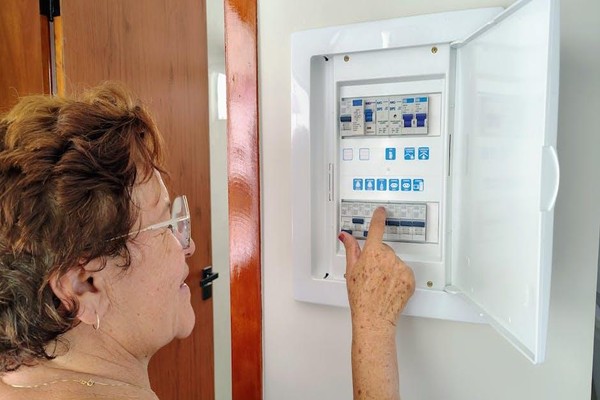
- Electrical Malfunctions: These can range from faulty outlets and flickering lights to tripped breakers and wiring issues. Electrical problems pose safety risks, including fire hazards, and should always be handled by qualified professionals. For modern properties, ensuring robust electrical systems is key, and this includes considerations for advanced needs like Property maintenance and EV chargers. Upgrading electrical panels and wiring can be part of a strategic maintenance plan to prevent future issues and support new technologies.
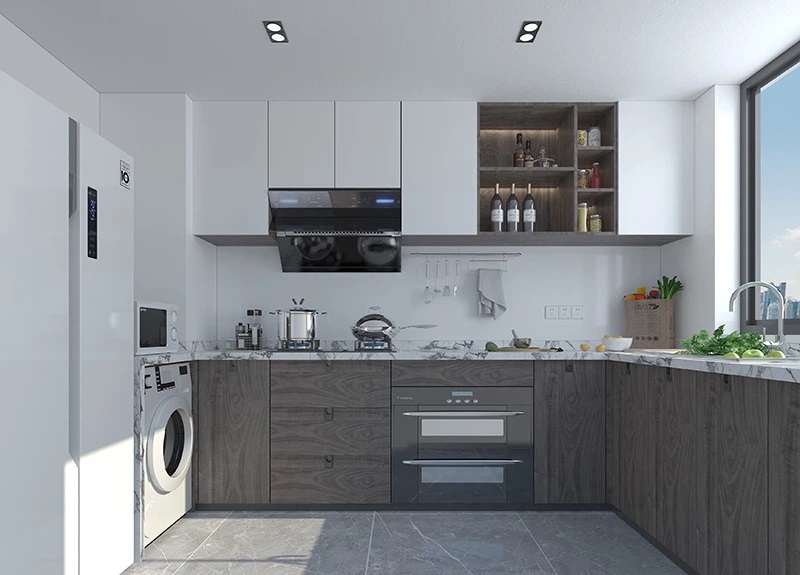
- Appliance Repair: In residential properties, issues with refrigerators, ovens, dishwashers, washing machines, and dryers are frequent. While some minor fixes can be done by technicians, many require specialized appliance repair services.
- Door Hardware: Problems with locks, hinges, handles, and automatic closers are common, affecting both security and accessibility. These often require quick resolution, especially for tenant safety and property access.
- Pest Control: Infestations of insects or rodents are not only unpleasant but can also cause structural damage and health concerns. Regular pest inspections and preventive measures are essential.
Seasonal Requirements and Preventive Strategies
Property maintenance is not a static endeavor; it changes with the seasons. Adapting your maintenance plan to seasonal demands is a cornerstone of effective preventive care, helping to mitigate weather-related damage and ensure year-round comfort.
- Spring: As winter recedes, spring is the time to assess and repair damage from cold weather. Key tasks include HVAC tune-ups to prepare for summer heat, inspecting roofs for missing shingles or damage, cleaning gutters of winter debris, and checking sprinkler and irrigation systems for leaks. This is also a good time to caulk and seal cracks in windows and foundations to improve energy efficiency.
- Summer: The focus shifts to keeping properties cool and efficient. Regular HVAC filter changes are paramount, and ensuring proper ventilation can prevent heat buildup. For properties with significant landscaping, summer involves intensive lawn care, monitoring irrigation systems, and pest control. Proactive landscape management, such as that offered by McLeod Landscaping property maintenance, can keep properties looking their best and prevent issues like overgrown foliage damaging structures.
- Fall: Preparing for colder weather is the main priority. Gutter cleaning becomes critical to prevent ice dams and water damage. Fall is also the ideal time for furnace inspections and tune-ups, chimney cleaning, and sealing any exterior cracks or gaps to prevent drafts and pest entry. Leaf removal is also a significant task to prevent drainage issues and maintain curb appeal.
- Winter: Protecting pipes from freezing, ensuring heating systems are operating efficiently, and managing snow and ice removal are central to winter maintenance. Regular checks for drafts and insulation effectiveness can help maintain warmth and reduce heating costs.
A comprehensive seasonal HVAC checklist is vital, given that these systems are often the most expensive to repair or replace and are critical for tenant comfort.
Essential Seasonal HVAC Tasks:
- Spring: Schedule professional AC tune-up, clean/replace filters, check thermostat calibration, inspect outdoor unit.
- Summer: Replace filters monthly (especially in dusty areas), clear condensate drain line, ensure outdoor unit is free of debris.
- Fall: Schedule professional furnace tune-up, clean/replace filters, test carbon monoxide detectors, check for proper ventilation.
- Winter: Monitor heating system performance, ensure vents are unobstructed, consider smart thermostat adjustments for energy savings.
Leveraging Technology and Standards for Efficiency
In today’s world, technology has revolutionized property maintenance, transforming it from a reactive chore into a streamlined, data-driven operation. Modern property managers increasingly rely on advanced tools and adherence to established standards to optimize their processes.
Technology’s Role in Modern Maintenance:
- Computerized Maintenance Management Systems (CMMS) Platforms: These software solutions centralize maintenance operations, allowing for efficient work order management, scheduling, asset tracking, and reporting. They automate tasks, improve communication between teams, and provide valuable data for decision-making.
- Internet of Things (IoT) Sensors: IoT devices can monitor various aspects of a property in real-time, such as temperature, humidity, water leaks, and equipment performance. These sensors provide early warnings of potential issues, enabling predictive maintenance and preventing costly breakdowns. For example, a sensor detecting an unusual increase in water pressure could alert a manager to a potential pipe burst before it happens.
- Digital Twins: A digital twin is a virtual replica of a physical property, continuously updated with real-time data from IoT sensors and maintenance records. This allows property managers to conduct remote inspections, simulate repairs, plan renovations, and track the lifecycle of every asset within the property, leading to highly informed decisions.
- Predictive Analytics: By analyzing historical maintenance data and real-time sensor information, predictive analytics can forecast when equipment is likely to fail. This enables maintenance to be scheduled precisely when needed, minimizing downtime and maximizing the lifespan of assets.
- Mobile Apps for Maintenance: Technicians can use mobile apps to receive work orders, update status, upload photos and notes, and access asset histories directly from the field. This significantly improves response times and data accuracy.
The adoption of such technologies is growing rapidly, with over 4,000 companies relying on asset operations management platforms for property maintenance. This trend highlights the industry’s shift towards more intelligent and data-driven approaches.
Adherence to Standards:
Beyond technology, compliance with legal and safety standards is non-negotiable. The International Property Maintenance Code (IPMC) is a widely adopted model code that establishes minimum requirements for the maintenance of existing buildings. It covers critical areas such as:
- Structural Elements: Ensuring the integrity of foundations, walls, roofs, and other structural components.
- Exterior Property Areas: Maintaining safe and sanitary conditions for yards, driveways, and common outdoor spaces.
- Interior Structures: Setting standards for floors, walls, ceilings, and internal stairs.
- Light, Ventilation, and Occupancy Limitations: Ensuring adequate natural light, airflow, and safe occupancy levels.
- Plumbing Facilities: Requiring proper installation and maintenance of water supply, sewage systems, and fixtures.
- Mechanical and Electrical Facilities: Mandating safe and functional heating, cooling, and electrical systems.
- Fire Safety: Specifying requirements for smoke detectors, fire alarms, and means of egress.
Adhering to the IPMC and other local building codes is crucial not only for safety and legal compliance but also for protecting property value and minimizing liability. Regular inspections and documentation, often facilitated by CMMS and mobile apps, help ensure these standards are consistently met.
Frequently Asked Questions about Property Maintenance
We often encounter common questions from property owners and managers seeking to optimize their maintenance strategies. Here, we address some of the most pressing inquiries.
How can property managers create an effective maintenance budget?
Creating an effective maintenance budget requires a blend of historical data, foresight, and strategic planning. We recommend the following steps:
- Review Historical Data: Analyze past maintenance expenses, categorizing them by type (routine, preventive, reactive, capital improvements). This provides a baseline for future spending.
- Conduct a Comprehensive Property Assessment: Perform thorough inspections of all major systems and components (HVAC, plumbing, electrical, roof, exterior, common areas). Identify items nearing the end of their lifespan or requiring significant repair.
- Prioritize Preventive Maintenance: Allocate funds for scheduled inspections and servicing. Preventive maintenance reduces repair costs by 30%, making it a wise investment.
- Estimate for Reactive and Emergency Repairs: While unpredictable, allocate a contingency fund for unexpected issues. A common rule of thumb is to budget 1% of the property’s value annually for maintenance, though this can vary based on age and condition.
- Plan for Capital Expenditures: Differentiate between routine maintenance and capital improvements (e.g., roof replacement, major HVAC overhaul). These larger projects should have their own dedicated savings or funding plan.
- Factor in Seasonal Needs: Account for increased expenses during specific seasons, such as higher utility costs in summer/winter or snow removal in colder climates.
- Leverage Technology: Utilize CMMS platforms to track costs, generate reports, and forecast future expenses more accurately.
- Negotiate with Vendors: Build strong relationships with reliable contractors and negotiate favorable rates for ongoing services.
- Track Technician Utilization: For in-house teams, monitor the utilization and billable rates of technicians to ensure cost-effectiveness.
What are the legal and safety standards for building upkeep?
Legal and safety standards for building upkeep are paramount, designed to protect occupants, preserve property value, and minimize liability. The primary framework for these standards is often the International Property Maintenance Code (IPMC), which sets minimum requirements for the maintenance of existing structures. However, these are supplemented by various local, state, and federal regulations.
Key areas covered by these standards include:
- Structural Integrity: Ensuring foundations, roofs, walls, and other structural elements are sound and free from hazards.
- Plumbing Systems: Requiring safe and functional water supply, drainage, and waste disposal systems, free from leaks and blockages.
- Electrical Systems: Mandating safe wiring, outlets, lighting, and electrical panels to prevent shocks and fires.
- Heating and Cooling: Ensuring functional and safe HVAC systems, particularly during extreme weather.
- Fire Safety: Requiring working smoke detectors, carbon monoxide detectors, fire extinguishers, and clear egress paths.
- Sanitation and Pest Control: Maintaining clean and sanitary conditions, and addressing pest infestations promptly.
- Accessibility: For commercial and multi-family properties, compliance with the Americans with Disabilities Act (ADA) often dictates maintenance requirements for ramps, doorways, and common areas.
- Environmental Health: Addressing issues like mold, lead-based paint, and asbestos according to established protocols.
Property managers must stay informed about all applicable codes and regulations in their jurisdiction. Regular inspections, proper documentation, and prompt remediation of identified issues are essential for compliance and safety.
How does regular maintenance impact long-term property value?
Regular property maintenance profoundly impacts long-term property value, serving as a critical factor in both appreciation and marketability. We have observed that properties with consistent upkeep typically preserve 15-20% more value than those managed reactively.
Here’s how regular maintenance contributes to value:
- Prevents Deterioration and Costly Repairs: Proactive maintenance identifies and addresses minor issues before they escalate into major, expensive problems. A small roof leak, if ignored, can lead to widespread water damage, mold, and structural compromise, significantly decreasing value.
- Extends Asset Lifespan: Regular servicing and care for major systems like HVAC, plumbing, and electrical extend their operational life. This delays the need for costly replacements, preserving capital and enhancing the property’s overall condition.
- Enhances Curb Appeal and Aesthetics: A well-maintained exterior, including landscaping, paint, and common areas, creates a positive first impression. This is crucial for attracting and retaining tenants or buyers and directly influences perceived value.
- Ensures Occupant Satisfaction and Retention: Happy tenants are more likely to stay, reducing vacancy rates and turnover costs. High tenant satisfaction, often achieved through comprehensive upkeep programs (up to 95%), translates to consistent rental income and a more desirable property.
- Improves Energy Efficiency: Well-maintained systems (e.g., efficient HVAC, sealed windows/doors) reduce utility costs, making the property more attractive to environmentally conscious tenants and buyers.
- Minimizes Liability Risks: Adherence to safety standards and prompt repairs reduce the risk of accidents, injuries, and subsequent legal claims, protecting the property’s financial standing.
- Supports Higher Rental Rates: Properties that are consistently well-maintained can command higher rental prices, directly impacting their income-generating potential and, consequently, their market valuation.
- Positive Online Reviews: 78% of prospective residents consider online reviews a top factor in choosing where to live. A reputation for excellent maintenance leads to positive reviews, enhancing the property’s appeal and value.
Consistent and strategic property maintenance is an investment that yields substantial returns, ensuring the property remains a valuable, desirable, and profitable asset for years to come.
Conclusion
Property maintenance is far more than just a series of tasks; it is a strategic imperative for any property owner or manager. As we’ve explored, a proactive and comprehensive approach is essential for ensuring asset longevity, maintaining resident safety, and driving operational profitability. From understanding the nuances of routine upkeep and preventive measures to leveraging cutting-edge technology like CMMS platforms and IoT sensors, every aspect contributes to the overall success of your investment.
By adhering to best practices, recognizing seasonal demands, and staying compliant with legal standards like the IPMC, we can transform maintenance from a reactive burden into a powerful tool for sustainable growth. The statistics speak for themselves: regular maintenance preserves property value, reduces repair costs, and significantly boosts tenant satisfaction. Embracing these principles allows us to create properties that are not only safe and functional but also highly desirable and financially rewarding for the long term.