

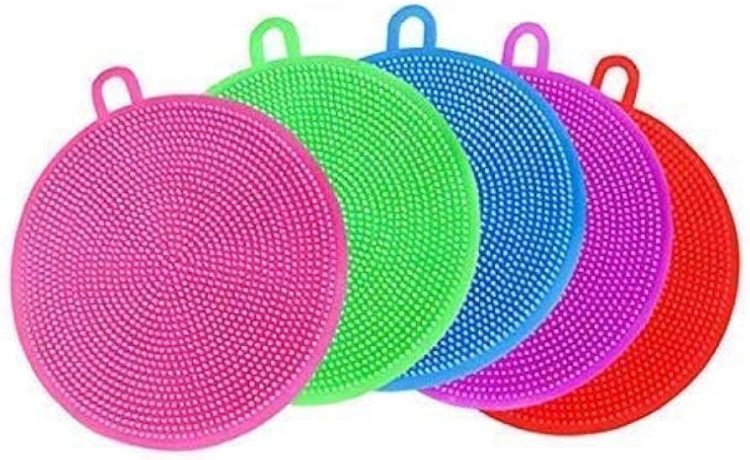
Every day, cleaning habits shape cleanliness levels, tool choice affects effort, and surface security. Numerous homes trust on one dish scrubber without thinking about the material effect. Scrubbing tools differ in grip texture, suppleness, and cleaning power. Material choice shapes drying rapidity, odor control, and surface care. Knowing differences helps avoid scratches, saves time, and improves daily upkeep. This guide explains clear facts with simple language. Each section gives direct points, so decisions feel easy. Smart selection keeps cookware neat without stress. The right option supports routine cleaning without extra work or damage.
Material composition basics
Silicone scrubbers use soft, molded rubber-like material that bends easily. Nylon scrubbers trust on woven plastic fibers built for confrontation. Each material reacts inversely to water, heat, and pressure. These traits influence lifespan hygiene levels and cleaning comfort. Understanding material makeup helps match scrubbers to daily washing needs.
Surface safety awareness
Silicone feels smooth on touch, which reduces scratch risks. Nylon offers a rough texture that removes stuck residue faster. Delicate surfaces prefer gentle contact. Tough pans handle rough strokes better. Matching surface type with scrubber texture avoids damage and preserves shine longer.
Cleaning power comparison
Nylon fibers grip dried remains quickly through friction. Silicone relies on flexible tips that push residue away. Heavy grease needs pressure, while light stains clear with motion. Cleaning power depends on residue type, cookware shape, and water temperature during washing sessions.
Heat resistance levels
Silicone tolerates high heat without warping. Nylon may soften when exposed to very hot water. Heat resistance matters during sanitizing routines. High tolerance allows safer boiling rinses. This feature supports hygiene-focused homes seeking deeper tool cleaning.
Drying speed benefits
Silicone dries faster due to non porous build. Nylon traps moisture between fibers. Quick drying lowers odor risk. Slow drying may invite buildup. Dry time affects the freshness and storage comfort inside cabinets or sinks.
Hygiene maintenance ease
Silicone resists odor absorption better than nylon. Nylon fibers can hold residue over time. Regular rinsing helps both types. Hygiene depends on cleaning frequency and drying habits. Material choice simplifies upkeep efforts across busy schedules.
Flexibility during use
Silicone bends around curves easily. Nylon stays firm while scrubbing flat surfaces. Flexibility improves reach inside glasses, bowls, and corners. Rigid texture boosts pressure on flat cookware. Comfort varies by hand strength washing style.
Longevity expectations
Silicone keeps its shape longer under frequent use. Nylon fibers fray with heavy pressure. Lifespan affects value perception. Durable tools reduce replacement cycles. Choosing long-lasting material supports steady cleaning routines without frequent shopping needs.
Grip comfort feel
Silicone offers a soft grip feel. Nylon feels rough during long sessions. Hand comfort matters during extended washing tasks. Softer texture reduces strain. Comfort level influences daily satisfaction and willingness to clean regularly.
Environmental considerations
Silicone lasts longer, reducing waste frequency. Nylon replacement cycles create more waste. Reuse value matters for mindful homes. Longevity supports reduced waste goals. Material choice reflects personal responsibility toward everyday resource use.
Cost value insight
Nylon options usually cost less upfront. Silicone costs more but lasts longer. Value balances price lifespan. Budget planning benefits from long-term thinking. Spending slightly more may save money over time.
| Feature | Silicone Type | Nylon Type |
| Texture | Smooth flexible | Rough firm |
| Drying | Fast drying | Slow drying |
| Heat Handling | High tolerance | Moderate tolerance |
| Lifespan | Long lasting | Shorter life |
| Surface Care | Gentle | Aggressive |
Daily routine suitability
Silicone suits light cleaning needs. Nylon suits heavy residue tasks. Routine style determines the best match. Mixing tools cover varied chores. Balanced choices support efficient daily washing habits.Choosing wisely depends on habits surfaces care routines. Silicone suits gentle cleaning, focused on homes seeking low-odor tools. The right dish scrubber choice creates a smoother cleaning flow while protecting cookware value over time.