
For many homeowners inhabiting houses built during the mid-twentieth century, the silent presence of construction materials can pose a significant environmental concern. Understanding the historical ubiquity of certain substances is essential to long-term dwelling safety. Asbestos home insulation, while once standard for its fire resistance, now represents a primary health hazard when fibers become aerosolized in a residential environment.
Chronic respiratory illnesses and tissue scarring
The fundamental danger of these materials lies in their physical structure, which can cause severe damage to the delicate membranes of the respiratory system. When fibers are inhaled, they can lodge permanently in the lung lining, leading to a condition characterized by progressive stiffening of the tissue. This scarring, often progressive and permanent, dramatically reduces lung capacity and impairs the body’s ability to facilitate oxygen exchange.
The established link to mesothelioma and lung cancer
Medical literature consistently identifies the inhalation of these mineral fibers as a potent carcinogen. The presence of these particles within the chest cavity triggers an abnormal cellular response over long durations. This process frequently results in the development of aggressive, difficult-to-treat cancers that specifically affect the pleural linings of the lungs or abdomen.
Why there is no known safe level of asbestos inhalation
Public health agencies emphasize that there is no threshold of exposure considered entirely benign for human lungs. Even infrequent or seemingly low-level contact may be sufficient to initiate long-term biological changes in susceptible individuals. Individuals dwelling in older structures should prioritize total avoidance of contact to prevent airborne contamination.
Understanding latency periods between exposure and diagnosis
One of the most insidious aspects of exposure is the extended temporal gap between initial inhalation and the appearance of symptomatic disease. Symptoms are frequently absent for years, or even decades, after the original particles were taken into the body. This long wait time makes it difficult for patients to correlate their physical decline with exposure events occurring long ago.
Identifying common types of asbestos home insulation
Identifying specific materials in a private residence requires careful observation without physical disruption. Because these materials were integrated into various structural aspects of home construction across several decades, recognizing their physical characteristics can help one determine when expert guidance is necessary. Awareness of specific product types remains a critical step for informed property management.
The prevalence of loose-fill vermiculite products
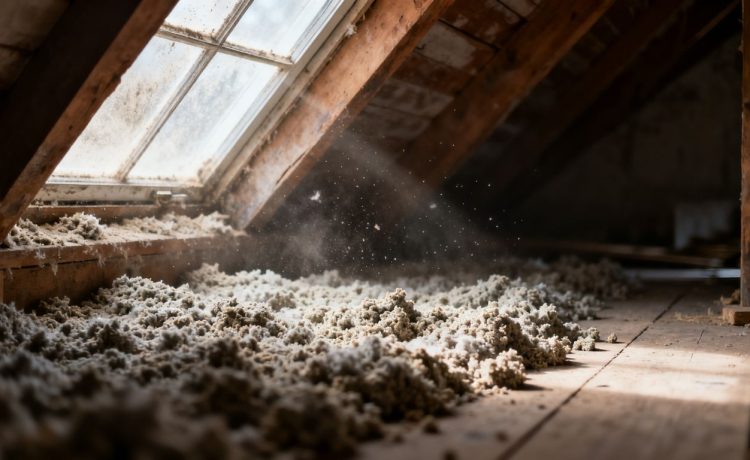
Loose-fill materials represent one of the most frequently encountered hazards in older attics and wall cavities. Property owners concerned about this should review resources regarding asbestos-contaminated vermiculite insulation to understand proper safety protocols. This material often appears as pebble-like granules in varying shades of gray, gold, or silver.
Block and pipe wrap insulation materials
Rigid block components and flexible wraps were standard utility insulators for decades. You can discover the dangers associated with these applications through documented historical records that track their use in basements and boiler rooms. These materials typically shield heat-producing elements, serving as a concentrated source of potential fiber release if their protective outer layers are breached or significantly degraded.
Spray-on coatings for structural beams and boilers
Spray-applied materials are particularly vulnerable to degradation due to their porous, textured application methods. These coatings often crumble over time as a result of temperature-induced expansion and contraction of the underlying surfaces. When original binders fail, the material can easily disintegrate, creating an invisible, settling dust over local work areas.
Historical context of insulation manufacturing dates
Understanding the chronology of building trade materials helps homeowners contextualize their own risks. Homes constructed or renovated before the 1990s often contain materials that require careful inspection. Several factors influence whether a particular residence houses hazardous materials, including the following common identifiers:
- The material has a granular or mica-like appearance.
- It exhibits a distinct silver-gold or grayish color.
- The attic space appears to have been retrofitted before 1990.
- There is visible residue around ventilation openings or pipes.
Evaluating these signs helps homeowners determine if their premises align with historical periods where specific hazardous products were standard in local construction.
The biological mechanism of asbestos and cancer
At a microscopic level, the behavior of these minerals is dictated by their physical shape and chemical resilience. Once these fibers enter the breathing cycle, they evade the body’s internal filtration mechanisms due to their exceedingly small diameter. The resulting interaction is not merely toxic; it is a violent physical affront to the delicate cellular structures of the lungs.
Inhalation and retention of microscopic mineral fibers
The body lacks the mechanisms necessary to effectively remove these durable fibers once they have been inhaled. Rather than being expelled by natural mucous processes, they tend to migrate peripherally into the deep airway spaces. Once there, they remain sequestered, acting as persistent, non-degradable irritants for the duration of the host’s life.
Cellular damage, chronic inflammation, and genetic mutation
The presence of the fibers induces a condition of persistent, low-grade chronic inflammation that damages cellular integrity. This ongoing struggle between the immune system and the inorganic intruder creates a toxic environment. Over time, recurring tissue repair cycles contribute to errors in DNA replication, which can manifest as the proliferation of malignant cells.
The interaction between needle-like fibers and lung tissue
The physical profile of the fibers—often needle-like and rigid—allows them to mechanically pierce cellular walls in the lungs. This physical impact is distinct from chemical toxicity, acting as a constant abrasion on the pulmonary tissue lining. This persistent physical damage is a primary driver in the development of inflammatory scarring.
How crystalline structure influences respiratory toxicity
Different mineral varieties exhibit varying degrees of toxicity based on their specific crystalline formations. Finer fibers can penetrate deeper into the pulmonary system, while coarser varieties may cause more localized surface damage. Regardless of the specific variation, each possesses the chemical stability required to remain toxic in the body for an indefinite period.
Signs of aging and friable insulation
Homeowners should take note of the physical state of their insulation rather than relying on assumed safety based on age alone. The transition from an intact state to a crumbling condition is the most critical factor regarding occupant risk. Vigilant observation can alert residents to shifts in their home environment that require a change in management strategy.
Identifying visible degradation and crumbling materials
The loss of structural cohesion in insulation is often visible to the naked eye. When materials begin to shed debris or show signs of surface crumbling, it is an indicator that fibers may be nearing release. If an attic or wall space shows dust accumulation indicative of material wear, professional intervention is the only safe path forward.
The specific dangers of friable versus non-friable states
Materials are considered friable if they can be crushed back into a fine powder by light manual pressure. Non-friable materials are significantly more stable but can still become hazardous if mechanical processes like drilling or sawing are introduced. Homeowners must treat any crumbly material with extreme caution to prevent accidental fiber aerosolization.
Signs of insulation exposure in attics and living areas
Evidence of shifting, settling, or water damage often heralds a potential hazard in accessible areas like attics. If one identifies vermiculite attic insulation that has spilled into or near living spaces, it should be treated as a priority safety concern. Residents should stay cognizant of any unidentified granular materials near utility vents or ceiling leaks.
Distinguishing asbestos-laden products from modern alternatives
Modern materials are engineered to replace the hazardous legacy products of the previous century. Fiberglass or mineral wool alternatives typically feature distinct synthetic textures that do not match the mineral heavy-density of older, contaminated insulation. Relying on visual identification is never sufficient, as only laboratory testing provides definitive proof regarding the content of older, unlabeled insulation.
The danger of home renovation and physical disturbance
Disturbing established insulation is the single largest factor in shifting a material from a passive state to a respiratory hazard. During home renovations, the risk is not always obvious to those working in the space. Small actions can unintentionally release a significant volume of harmful particles into the local atmosphere, affecting the long-term safety of the household.
Risks associated with DIY home improvement projects
Common weekend projects, such as installing new lighting or upgrading attic access, can accidentally break sealed insulation barriers. Homeowners who are unaware of the presence of hazardous materials may disturb these areas without proper precautions or containment. This often leads to unnecessary exposure that could have been avoided with pre-project testing.
How airborne fibers migrate through existing HVAC systems
If hazardous dust is liberated in an attic or wall cavity, the home’s heating and cooling system often functions as a distribution network. Forced-air ducts can pull released fibers from a disturbance site and circulate them into every room of the dwelling. This invisible spread turns a localized incident into a home-wide indoor air quality emergency.
The impact of physical contact, sanding, or friction
Any mechanical force applied to insulation will facilitate the release of micro-fibers into the air. Sawing wooden beams, sanding surfaces adjacent to insulation, or even excessive walking in an attic can generate enough friction to disturb years of settled material. These small activities are often the hidden triggers for later health complications.
Why personal protective equipment is insufficient for homeowners
Standard hardware store masks often fail to filter the exceptionally fine particles characteristic of hazardous insulation. Effective containment requires specialized, hermetically sealed environments and industrial-grade air scrubbing technology that most homeowners cannot access or correctly deploy. Relying on basic equipment provides a dangerous, fallacious sense of protection that does not match the actual risk profile.
Strategies for managing hazardous insulation materials
For most residences where such materials were installed decades ago, the most effective strategy is to reduce any chance of accidental contact. Practical management focuses on site isolation and clear communication for all household members. Taking consistent measures to prevent movement is the cornerstone of keeping a home environment stable and safe.
Implementing an “as-is” strategy for stable and intact material
When testing confirms the presence of hazardous material, the most appropriate choice is often to leave the insulation strictly undisturbed. If the material remains encapsulated and unused, it poses minimal risk to occupants. Residents interested in maintenance should learn about vermiculite insulation risks and avoid projects that would expose these materials.
Sealing off attic or wall cavities to prevent fiber dispersal
If you find that insulation is near active airflow paths, you should immediately seal those areas. Following the advice to leave it undisturbed effectively mitigates risk for materials that are already hidden away. This simple measure prevents the accidental transport of materials into living zones and provides a physical barrier between the occupant and the potential hazard.
The importance of professional environmental risk assessment
Before undertaking any significant work in an older structure, commissioning a professional survey is the only way to establish a baseline of safety. Qualified inspectors possess the tools to sample materials without creating an exposure plume, allowing residents to plan their renovations safely. Understanding exactly where hazards exist is more efficient than reactive remediation.
Developing a long-term plan for containment versus removal
Strategic planning involves looking at the current state of a building and matching the intervention to the risk. While many instances are handled via permanent sealing, some circumstances dictate total source elimination. A clear, phased plan ensures that all steps follow safety guidelines and prevent the cross-contamination of clean areas during the mitigation process.
Selecting professional asbestos remediation services
When a home requires remediation, the quality of the service provider is the primary determinant of success. Entrusting this hazardous work to unlicensed or inexperienced contractors can exacerbate the risk rather than solving it. A responsible homeowner must verify evidence of professional capabilities before granting access to the hazardous site.
Verifying contractor licensing and hazardous material credentials
Before hiring, one should request evidence of local, state, and environmental certification. Remediation is a highly regulated field, and only companies that strictly adhere to all applicable safety and handling standards should be considered. Due diligence in the selection phase is the best strategy against improper handling of materials.
Determining the necessity of third-party air quality testing
Independent verification of a job site is a vital check on the containment efficacy of the abatement contractor. Third-party testing services offer unbiased data, providing a second line of assurance that interior air remains clear of contaminants. Relying on the project team to also perform completion analysis is often an insufficient standard for safety.
Standards for the safe removal and disposal of hazardous waste
Professional services must follow strict protocols for material wet-down, isolation of work zones, and secure transport. The goal is to move the hazardous waste from the residence to a specialized disposal site without leaving trace amounts behind. Documentation of the disposal chain is a standard requirement for reputable, licensed service firms.
Ensuring post-abatement verification and site clearance documentation
The final step of any successful abatement project is receiving verified clearance reports verifying the environment is safe. These records serve as an essential part of the home’s maintenance life cycle, providing documentation that the site was treated according to regulatory safety standards. This final step is essential for preserving the long-term utility of the property.